

About
About me
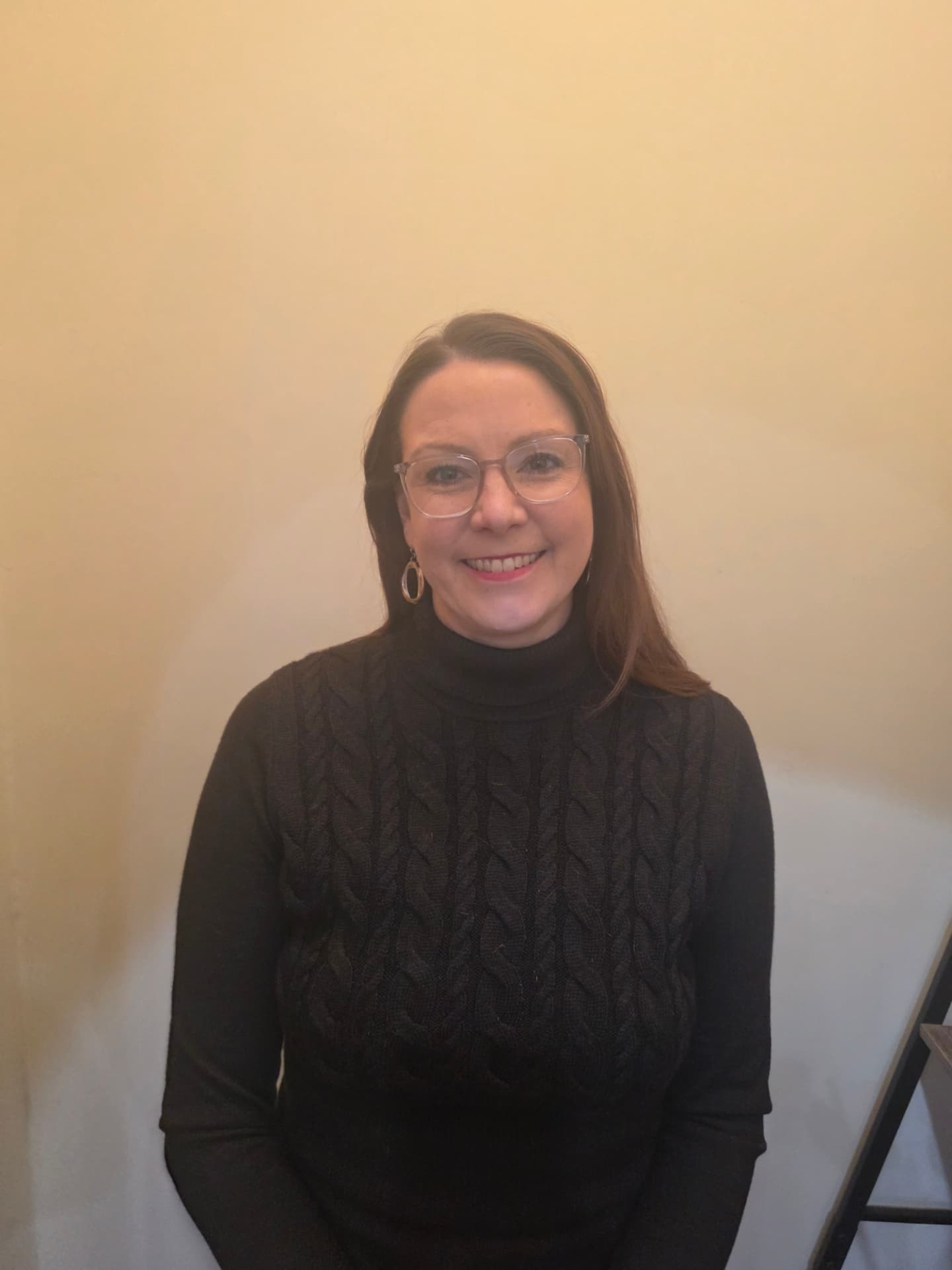
Hi, I'm Lisa-Marie Gordon, an occupational therapist with over 25 years' experience.
Most of my career has been in the disability sector, particularly with adults with physical and neurological disability who need assistive technology and home modification solutions. Over the last six years, I've specialised in working with neurodivergent adults.
I'm driven to understand why things work the way they do. I love learning, I stay curious, and I'm always evolving my practice, often deep in a podcast or some research on the nervous system, trauma, neurodivergence, and how all of that interacts with the world around us.
I run my own business, which gives me real insight into the demands of working for yourself, something I draw on when I'm working with people who work from home, are self employed, or are building something of their own.
Two areas of practice
Neurodivergence and daily life
Working with autistic, ADHD and AuDHD adults, and people navigating trauma, burnout, chronic pain and fatigue. Together we look at executive function, sensory needs, habits and routines, and the everyday activities that matter to you. The focus is on understanding how your brain and body actually work, then building approaches that fit you, rather than asking you to push through in ways that cost you.
Assistive technology and home modifications
Working with adults with physical and neurological disability who need practical solutions to move, manage and participate. This is where most of my career has been spent: assessment and recommendations for equipment, including wheelchairs and complex seating, and home modifications that make everyday spaces safer and more usable. I also provide supervision and training to other OTs in this area.
These two areas overlap more often than people expect, and plenty of the people I work with sit across both.
How I work
My approach is collaborative. We work together in a guided, curious exploration, using practical therapy tools and a current understanding of the nervous system, trauma, neurodivergence and the world around you, always building on your strengths and moving at a pace that suits you.
Depending on what you need, that might include:
Executive function+
The everyday "getting things done" skills: planning, organising, getting started, keeping track of time, and following through. We look at what's tripping you up and find approaches that fit how your brain actually works.
Sensory needs+
How your senses shape your comfort, focus and energy across the day, and practical ways to reduce overwhelm and set up environments that feel better to be in.
Everyday activities+
Looking closely at the daily tasks that matter to you, like cooking, getting ready, work or study, and where they get stuck, so we can make them more doable.
Habits and routines+
Finding rhythms and routines that genuinely work for you, rather than ones you're "supposed" to have, and that are realistic to keep going.
Understanding your neurotype+
Making sense of how your brain and body work, and what that means day to day, so you can work with yourself, not against yourself.
My practice is strengths based, neuroaffirming, trauma informed and research driven, centred on the Social and Human Rights Model, and committed to dismantling ableism and examining bias.
A note on neuroaffirming practice
Being neuroaffirming means I see neurodivergence as a natural difference, not a deficit. I won't ask you to mask or "be more normal." My space is affirming, non judgemental and compassionate. We work with your actual neurotype, and your lived experience, to build a life that fits you.
Bachelor of Applied Science (Occupational Therapy) · AHPRA OCC0001749369 · Registered to provide Medicare services · ABN 83 156 238 748